Table Of Content
Depending on your real estate and legal experience, you may or may not be able to locate (or understand) property information on your own. Not to worry, though—a title search by a title company is ordered by a lender to confirm ownership after a buyer puts in an offer. Liens are typically discovered during this process so your independent research will be backed up by the findings of a professional. Title companies also offer title insurance, which covers the buyer if someone pops up with a property claim after the home is sold.
Get affordable advice from real estate attorneys
For example, the Internal Revenue Service (IRS) may place a lien on your home if you have unpaid federal taxes. First, the agency informs you in writing about your obligations. If you don’t reply, or if you fail to make suitable arrangements to pay off the debt, the IRS may then place a lien on your home or other assets.

Use a Title Search Company
In a judgment’s lien, a creditor may also file a claim for a property of specified value to cover the unpaid costs incurred from an agreement for goods or supplies. Property liens are legal claims against property granted by a court to a creditor when a debtor doesn’t pay their debts. Liens are filed with the county office and sent to the property owner advising them of repossession of the asset(s). Liens can also be voluntary or involuntary (aka consensual or nonconsensual).
Types of Liens on Property
Commercial broker lien laws enable agents to place a lien on a property when their client indicates they won't pay the commission. Placing a lien on the property makes it much harder to settle a sale, though in most cases, the threat of a lien pushes the parties involved to resolve the dispute. Commercial broker lien laws protect agents in 36 states; some fall under mechanic’s lien laws.

So, what if the sale price doesn’t cover all of the liens on the property? You can buy a house with a lien against it, but that isn’t the best option for everyone. Liens apply to a property and not the person who owes the debt, so buying a house with a lien against it will mean that you now owe the debt that resulted in the lien. Review deadlines – Make sure you comply with the time deadlines for placing liens. Some states only give you 60 days to file after the work was completed, while others give you up to a year.
Property Tax Lien
Let’s take a closer look at exactly what liens are and how they work. If you’re a business, you must be in good standing in order to enter into any business transactions or contracts, such as the sale of real property. If you don’t pay your back taxes, the IRS can put a lien on everything you own, including your home.
In these cases, the creditor may choose to dispose of the property by selling it. You might want to check for liens on your property if you’re planning to list your home for sale. If it does, the closing could be delayed and the deal could even fall through. Get Forbes Advisor’s ratings of the best mortgage lenders, advice on where to find the lowest mortgage or refinance rates, and other tips for buying and selling real estate. If you hire someone to work on your property and fail to pay them according to the terms of your agreement, they can file a mechanic’s lien against your property. These liens also can be filed by vendors who supply materials to a job site and are sometimes called materialman’s liens.
Liens are legal tools used to protect the interests of creditors and other people who are owed money by property owners. They’re commonly used by banks, lenders, contractors and courts to ensure that property owners pay valid debts, such as mortgage notes or property taxes. When someone files a lien, they hold a legal claim against a piece of property. A lien is a legal instrument that allows a lender to hold a claim on collateral, such as a home, until the debt is repaid.
Florida law makes homeowners liable for contractors unpaid bills - Bay News 9
Florida law makes homeowners liable for contractors unpaid bills.
Posted: Fri, 03 Nov 2023 07:00:00 GMT [source]
Elder Law: Can Medicaid Take Your House? - ElderLawAnswers.com
Elder Law: Can Medicaid Take Your House?.
Posted: Wed, 10 Jan 2024 08:00:00 GMT [source]
If the contractor wins the lawsuit, he or she may be able to force the sale of your home. For mechanics liens in particular, a lien bond can be a useful way to remove the lien from the property title. When a lien is filed, a property owner can opt to discharge the lien by substituting a surety bond.
Mortgage and property liens are attached to real estate or properties on which the owner has a mortgage. A lien gives the lienholder, usually a bank or mortgage lender, the ability to foreclose on your home if you fail to make monthly mortgage payments. A lien is a legal claim that a creditor can place on a home or other property when the owner has unpaid debt that they owe to the creditor. When a creditor places a lien on a house, that creditor may be able to legally seize and force the sale of the house in order to repay the debt owed. As an example, failing to make your mortgage or property tax payments could result in a lien by your mortgage lender.
In some cases, the lien lasts for 10 years, while in other states, the lien remains until the loan is repaid in full. The only way to be 100% sure the lien is removed is to pay it back. That can be done by paying off the mortgage over time or selling the home and repaying the debt. Lenders may place one of several types of liens on your property, from property liens to tax liens. If you owe your local, state or federal government money, they can put a lien on your property. This can happen if you don’t pay your income taxes or property taxes.
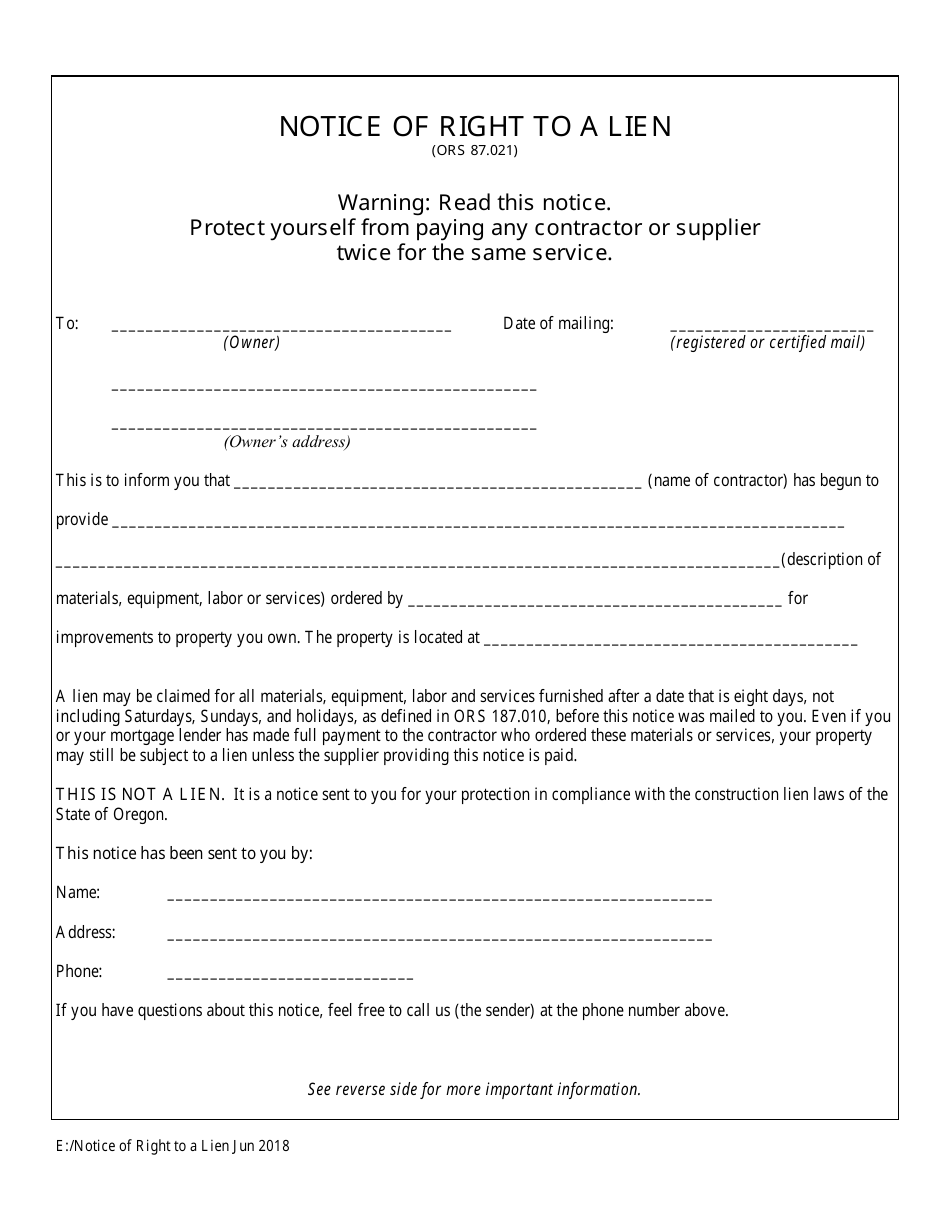
If you lose a lawsuit and fail to pay, the government may well issue a lien against your property. For example, home and auto loans typically include a lien on the underlying property in case you fail to make your payments. Mechanics often write liens into their service contracts, as do contractors and attorneys.
Everyone who has a mortgage has a voluntary lien like this on their home, so it shouldn’t harm you—as long as you keep up with your regular mortgage payments. Once you pay off your home, the lien is removed and you’re free from the burden. Liens give creditors certain legal rights, especially when a debtor hasn’t paid or refuses to fulfill their financial obligation.
Before buying any property with a lien, make sure you know who the creditor is and the amount of debt owed. Be realistic about whether or not you can afford to pay the debt and remember that you’ll likely owe regular mortgage payments and property taxes in addition to the debt. Even if the house feels like your dream home, you don’t want to accept a big debt only to lose the house a couple of years later. Involuntary liens can become a thorn in the side of homeowners trying to sell. A property tax lien entitles the government to recover its dues by foreclosing on your home if you don't pay your property taxes. Property tax liens take precedence over mortgage liens, so not paying your property taxes may mean you and your lender lose the property.


No comments:
Post a Comment